The codes of luxury and the VIP universe change faster than the seasons of haute couture. Discretion, digital image management, and environmental responsibility are profoundly reshaping the contours of the VIP experience. Flashy logos and queues outside a select club are no longer enough to define prestige.
Quiet luxury in hospitality: when the VIP becomes discreet
Have you noticed that some luxury hotels are removing their neon signs or reducing their presence on Instagram? This movement has a name: quiet luxury. It reflects a clear shift in the expectations of a very wealthy clientele.
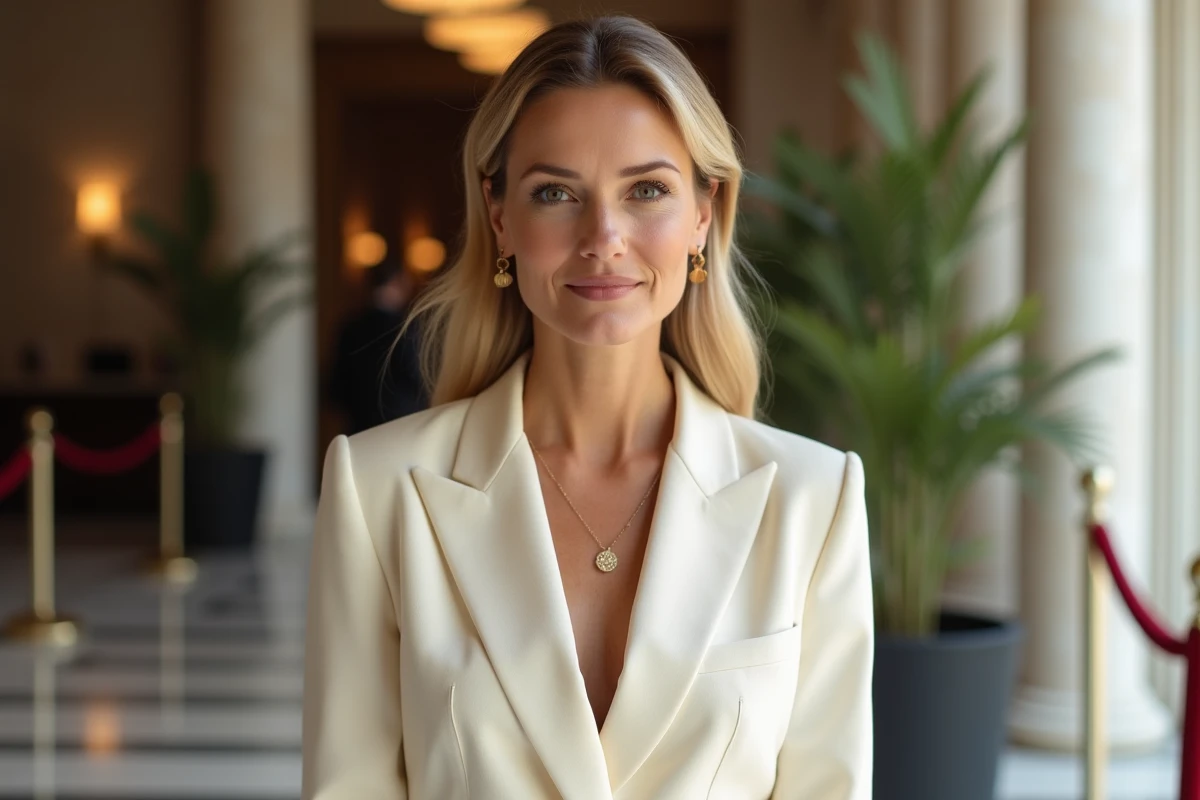
According to the “2025 Luxury Trends Report” by Marriott International, many 5-star hotels and luxury establishments are developing VIP offerings that focus on discretion. Private entrances, check-ins directly in rooms, deliberately understated dress codes: the goal is to protect the client from any unwanted exposure, especially on social media.
The idea is no longer to show that one has access to an exclusive space. It is to experience a high-end experience without leaving a public trace. For hotels, this means rethinking the layout of spaces, signage, and even staff training. Visible luxury gives way to a felt but invisible luxury from the outside.
This phenomenon is also observed in event planning. High-end corporate seminars, for example, now prefer confidential venues rather than well-known addresses. To check out the news from Blog VIP and follow these developments over the weeks, enthusiasts of the premium universe find a regularly updated overview there.
VIP concierge and e-reputation management: a new profession
Luxury concierge services are no longer limited to booking a private jet or a table at a Michelin-starred restaurant. Recently, they are also taking care of what happens online.
According to Quintessentially, digital reputation management is among the most frequent requests from ultra-wealthy clients and celebrities, aside from travel-related services. Specifically, these new “VIP concierges” offer:
- The removal of unwanted content published without consent on social media or celebrity news sites
- Ongoing monitoring against deepfakes, those manipulated videos or images that can harm a personality’s reputation in just a few hours
- Proactive management of bad buzz, with communication strategies tailored to each platform (Instagram, X, TikTok)
This service goes far beyond simple moderation. It involves in-depth work, blending digital law, public relations, and technical mastery of algorithms. For a company or a personality, protecting one’s online image has become as strategic as taking care of one’s physical appearance at an event.
Sustainable VIP events: CSR enters luxury
The VIP universe and ecology sometimes seem incompatible. Private jets, gargantuan buffets, ephemeral decorations: the carbon footprint of a gala or product launch can be heavy. However, a fundamental trend is changing practices.
Several major players in travel and event planning are now integrating CSR charters and ESG criteria into the design of their luxury events. This translates into concrete choices in organization:
- Selection of environmentally certified venues, including for corporate seminars
- Use of local and seasonal caterers, with a systematic reduction of food waste
- Carbon offset integrated into the event budget, rather than offered as an option
What is changing is the position of sustainability in the hierarchy of criteria. It no longer comes last, after the setting and prestige of the venue. It sometimes conditions the very choice of space or destination.
Paris, a testing ground for responsible event planning
Paris hosts a significant share of VIP events in Europe. The capital has a hotel and event space that meet these new requirements. Several Parisian hotels already offer “green event” packages that include a detailed carbon footprint report provided to participants at the end of each seminar or evening.
For the teams in charge of organizing, this represents a change in method. The creative brief incorporates environmental constraints from the outset, alongside budget and participant numbers.
Fashion brands and VIP activations: the return of the physical
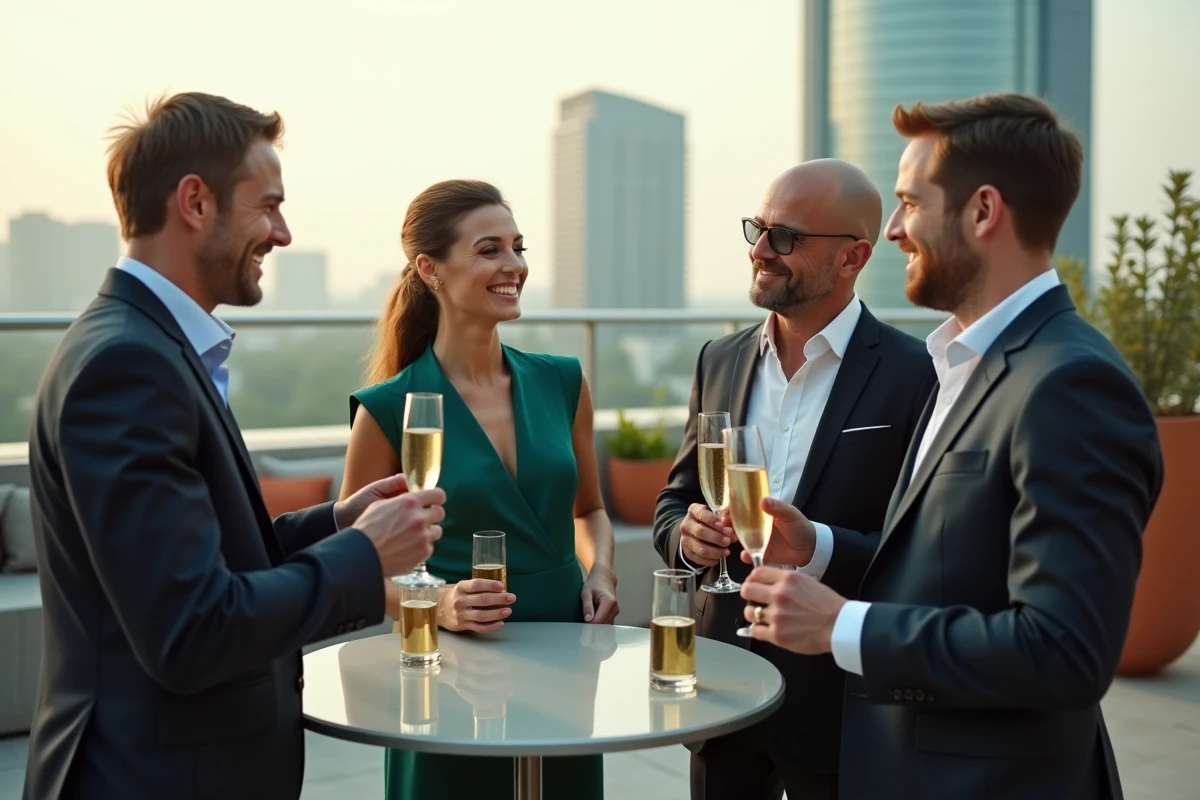
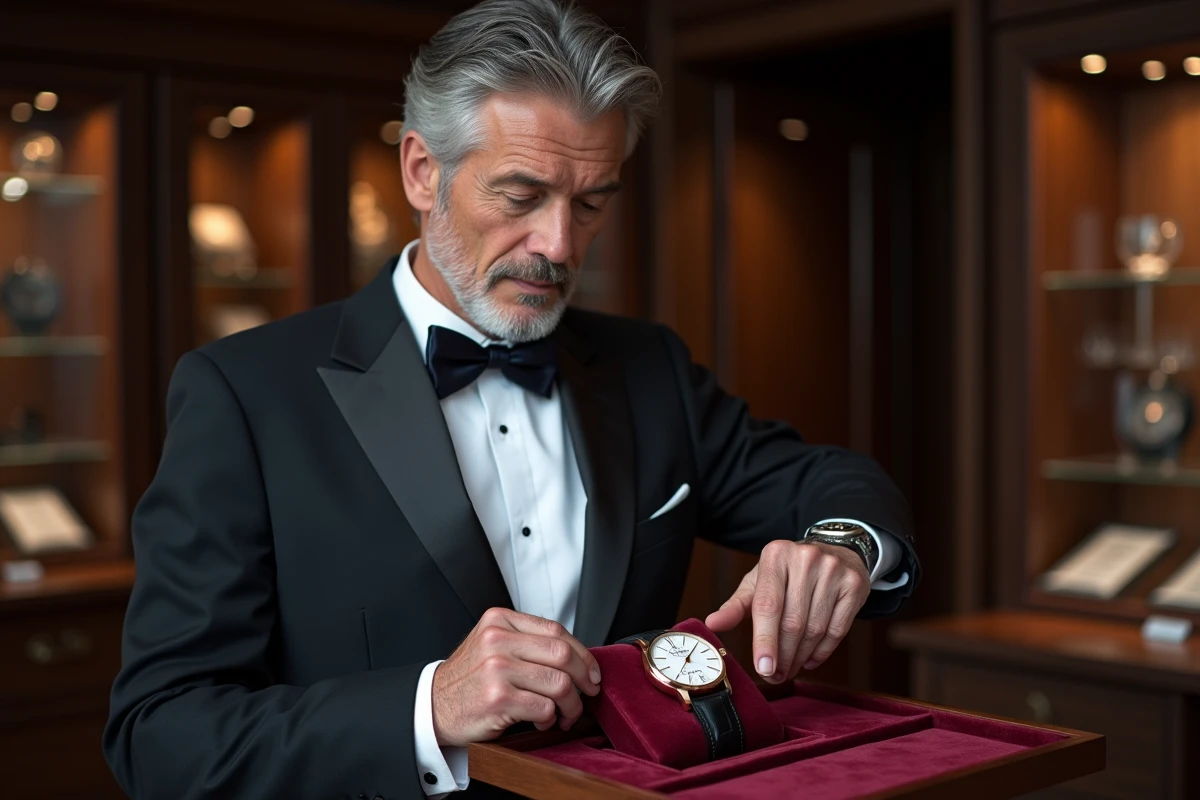
In the face of screen saturation, fashion, beauty, and lifestyle brands are investing heavily in physical events. Restricted-access fashion shows, product launches with sensory experiences, private watch parties: direct contact is becoming a differentiating factor again.
This trend responds to a simple observation. A sponsored post on Instagram generates less engagement than an exclusive invitation experienced in person. Brands have understood this and are redirecting part of their digital budget towards on-the-ground activations.
The challenge for luxury houses is twofold. To offer a memorable experience to VIP guests while generating organic content shared spontaneously by participants. The paradox is there: physical experiences are created to nourish the digital, but allowing guests to control their own narrative.
The VIP event sector is undergoing a profound redefinition. Discretion, digital protection, and environmental responsibility are no longer marginal options. They structure the offerings, venues, and formats. The selection criteria for a high-end event now include what the client will not see as much as what they will experience on-site.