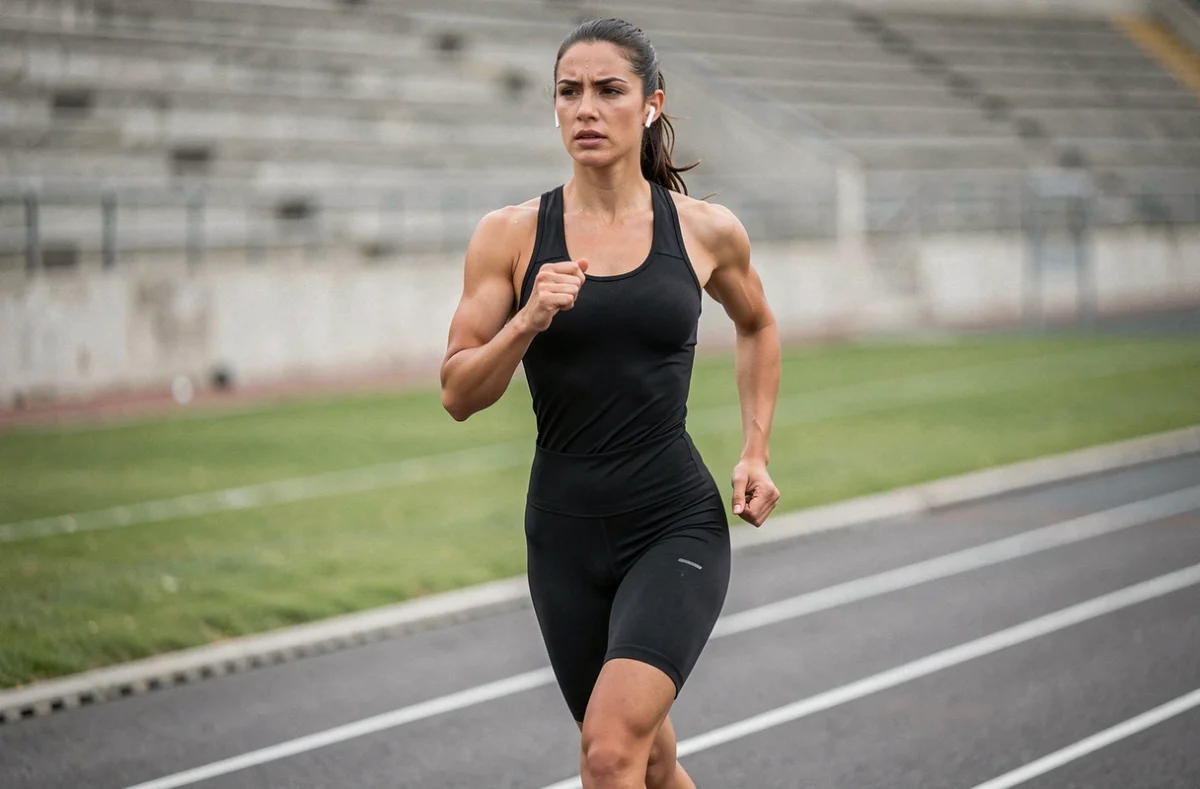
Sports performance is defined by an athlete’s ability to produce a measurable effort under given conditions. Optimizing this performance relies on physiological, technological, and cognitive levers, the understanding of which progresses each year thanks to research. Recent scientific publications shift some certainties, particularly regarding the reliability of connected tools and the role of predictive models in injury prevention.
Multiple sensors and deep learning: what research says about injury prediction
Artificial intelligence models applied to sports are not all equal. A systematic review published on September 10, 2026, in BMC Sports Science, Medicine and Rehabilitation shows that deep learning models outperform traditional statistical methods in predicting training load and injury risk. This finding is based on the analysis of configurations integrating multiple types of sensors (accelerometers, heart rate monitors, ground force sensors) rather than a single sensor.
The same review identifies three obstacles to real-world use: the heterogeneity of data collected from one sport to another, the imbalance of samples (injuries remain rare events in a dataset), and the lack of explainability of algorithms. A coach who receives a “high risk” alert without understanding which parameters triggered it cannot reliably adjust their planning.
The resources available on scienceosport.fr allow for tracking the evolution of this work applied to different disciplines, from recovery monitoring to biomechanical analysis of movement.
Recovery scores from connected watches: an unvalidated promise
Connected watches and bracelets now display daily recovery scores intended to guide training intensity. The underlying measurement most often relies on heart rate variability (HRV), sleep quality, and sometimes skin temperature.
A comprehensive review published on August 26, 2026, in JMIR mHealth and uHealth, covering 111 studies of mobile applications in sports, significantly nuances their utility. The feasibility of measurement is often demonstrated: sensors can record HRV, jump height, sprint time, or bar speed with acceptable accuracy. However, the actual improvement in performance due to recommendations from these applications remains insufficiently established.
Two gaps recur in the literature:
- Large-scale independent validations are lacking. Most studies are conducted on small samples, sometimes in collaboration with the manufacturers themselves.
- The sustainable adherence of athletes to these tools is not documented. Wearing a sensor during a four-week study says nothing about actual use six months or a year later.
- Proprietary algorithms vary from brand to brand, making comparisons between devices difficult and results less reproducible.
A recovery score can serve as a complementary indicator, but basing it as the sole decision criterion to modulate a session lacks a solid scientific foundation to date.
Heat training and acclimatization: a documented physiological lever
Controlled heat exposure during training is an active research area in exercise physiology. The principle relies on thermal acclimatization: by training in a warm environment progressively, the body adapts its thermoregulation mechanisms.
This adaptation results in earlier sweating, a decrease in heart rate at equivalent effort, and better preservation of plasma volume. These adjustments benefit endurance, even during competitions in temperate climates, as the cardiovascular system operates more efficiently after a period of acclimatization.
Protocols and practical limits
Acclimatization protocols typically last between five and fourteen days, with daily sessions at moderate intensity in an environment where the temperature exceeds that of usual training conditions. Endurance gains appear within the first week, but the retention window remains limited: adaptations gradually diminish if exposure ceases.
The main difficulty lies in the dosage. Excessive or prolonged exposure increases the risk of heat stroke and severe dehydration. Access to medical monitoring and a controlled environment (thermal chamber, heated room with humidity measurement) conditions the safety of the protocol.

Sports data and oxygen: the role of science in training planning
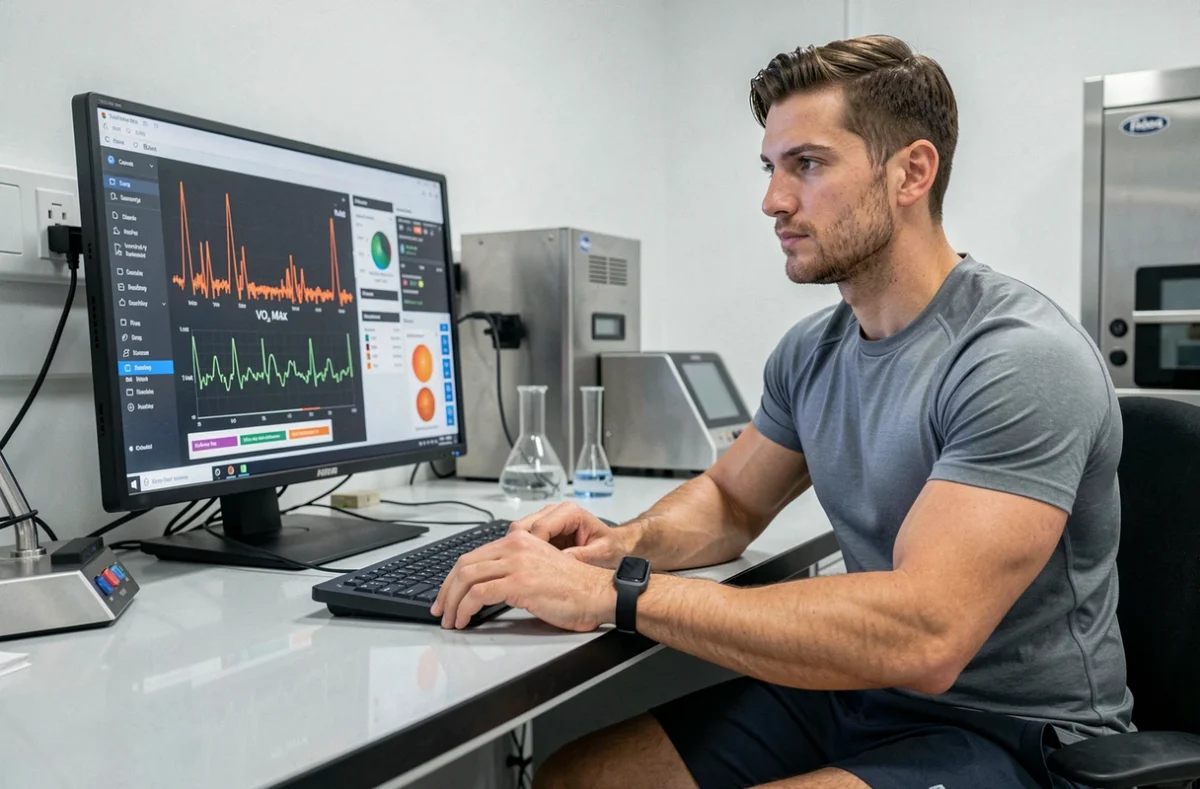
Modern training planning relies on the intersection of objective physiological data: oxygen consumption, blood lactate, mechanical power, and external load measured by GPS or accelerometry. The current trend is to merge these data streams to individualize training and recovery cycles.
Machine learning plays a role here as a decision support tool. Models can identify overload patterns before an athlete feels symptoms by detecting subtle variations in the relationship between external load (distance covered, number of sprints) and internal response (heart rate, perceived exertion).
This approach does not replace the coach’s expertise or the athlete’s feelings. It adds a layer of quantitative information that, combined with qualitative observation, allows for finer adjustments. The condition remains that data are collected rigorously and that the algorithms used are transparent in their operation.
Recent scientific advances in sports performance converge on one observation: technology is advancing faster than its validation. Sensors measure accurately, but the recommendations they generate still lack solid evidence. Integrating these tools into a training approach requires understanding their limitations as well as their potential, and keeping human judgment at the center of decisions.